Commercial & industrial property
Focus on manufacturing, logistics, technology, energy and quality commercial facilities. Document construction, occupancy, protection and maintenance to explain the context of each risk.

From factories and warehouses to regional portfolios, we bring engineering, operating and catastrophe information into clear reports for partners’ independent assessment.
Explore further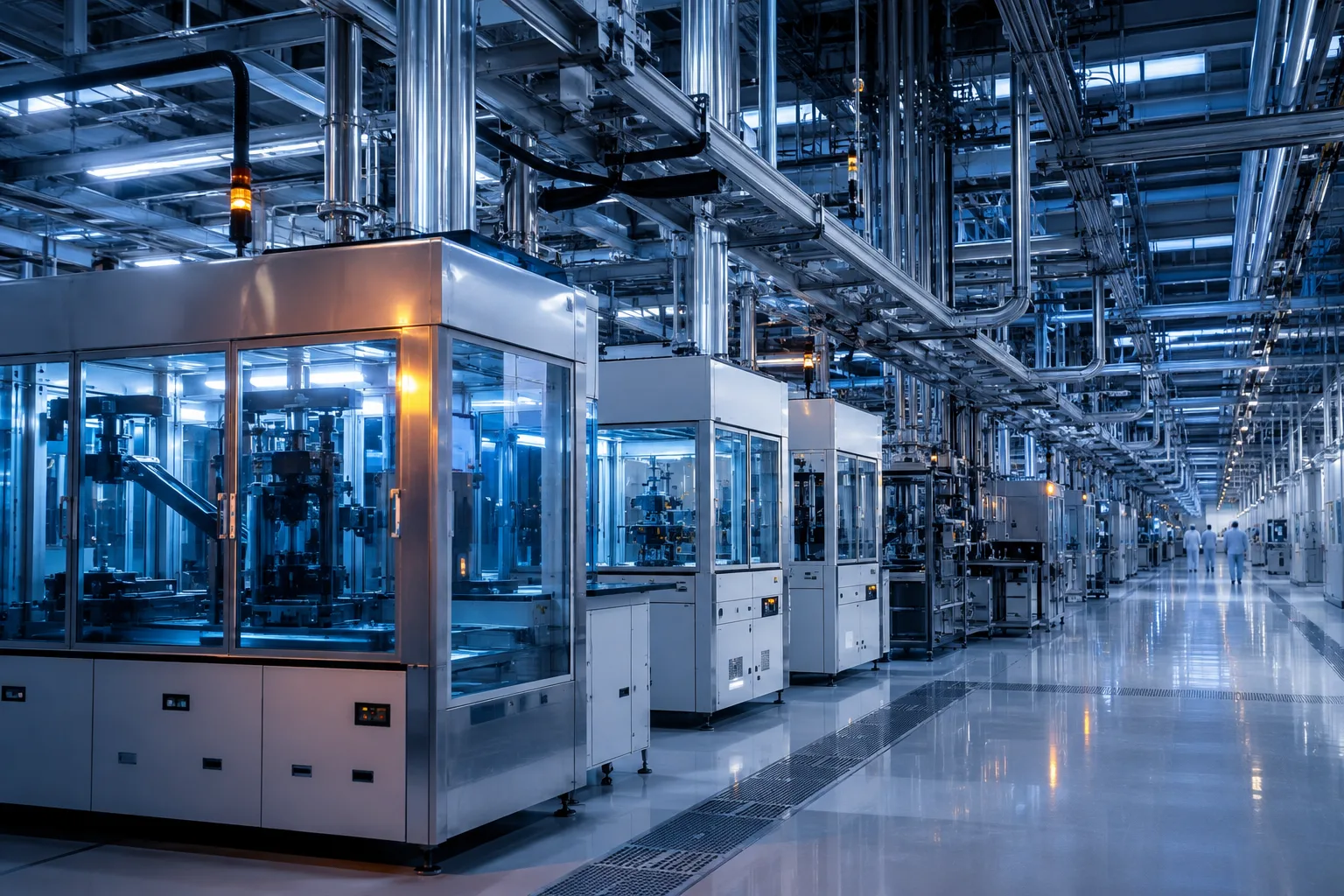
Engineering evidence, operating dependencies and natural hazards belong in the same conversation.
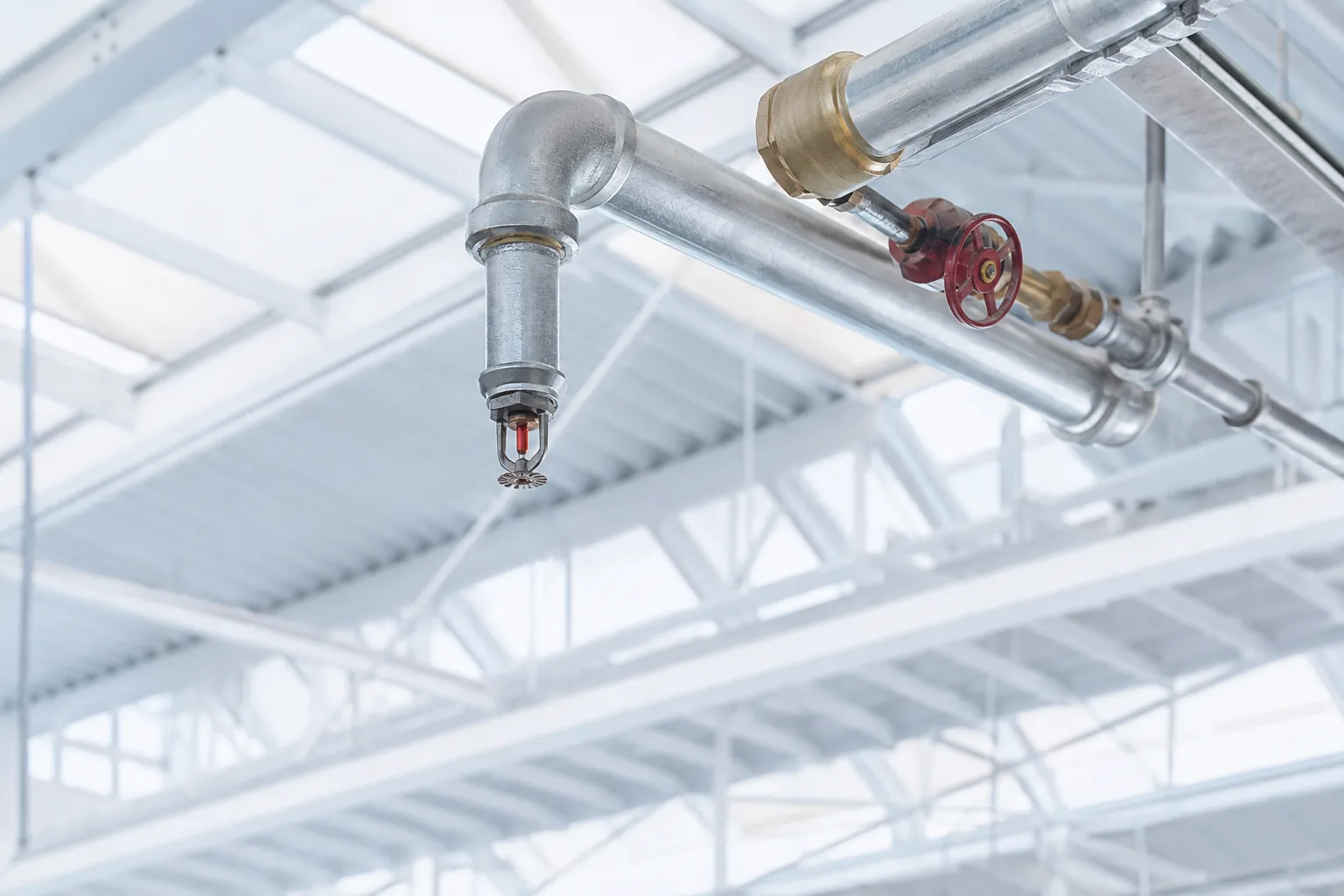
Focus on manufacturing, logistics, technology, energy and quality commercial facilities. Document construction, occupancy, protection and maintenance to explain the context of each risk.
Review engineering reports, equipment schedules and site layouts alongside critical machinery, utilities, recovery times and supply-chain dependencies. Connect physical assets to the consequences of operational interruption.
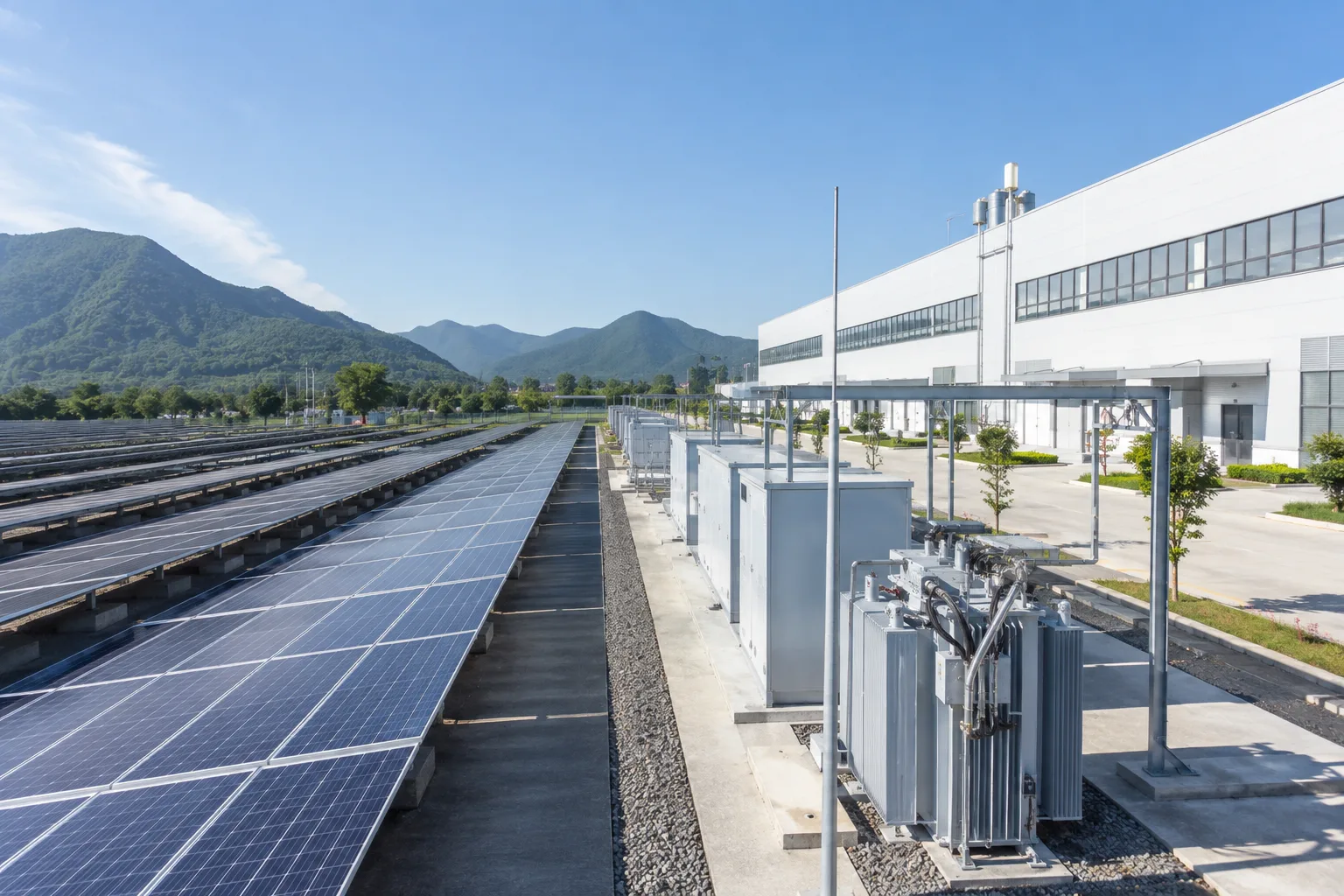
Examine flood, typhoon and earthquake exposure separately. Connect site coordinates, industrial parks, river basins and shared utilities to identify projects potentially affected by the same event.
Consolidate information by actual risk location, industry and peril. Keep definitions consistent and record sources, update dates and missing information for partners’ independent assessment.
Coordinate additional information, version updates, communication records and report delivery. Written arrangements define the work and each party’s responsibilities.
These are priority areas for business research and information support. Specific projects are discussed in the context of facility conditions, information quality and applicable service arrangements.
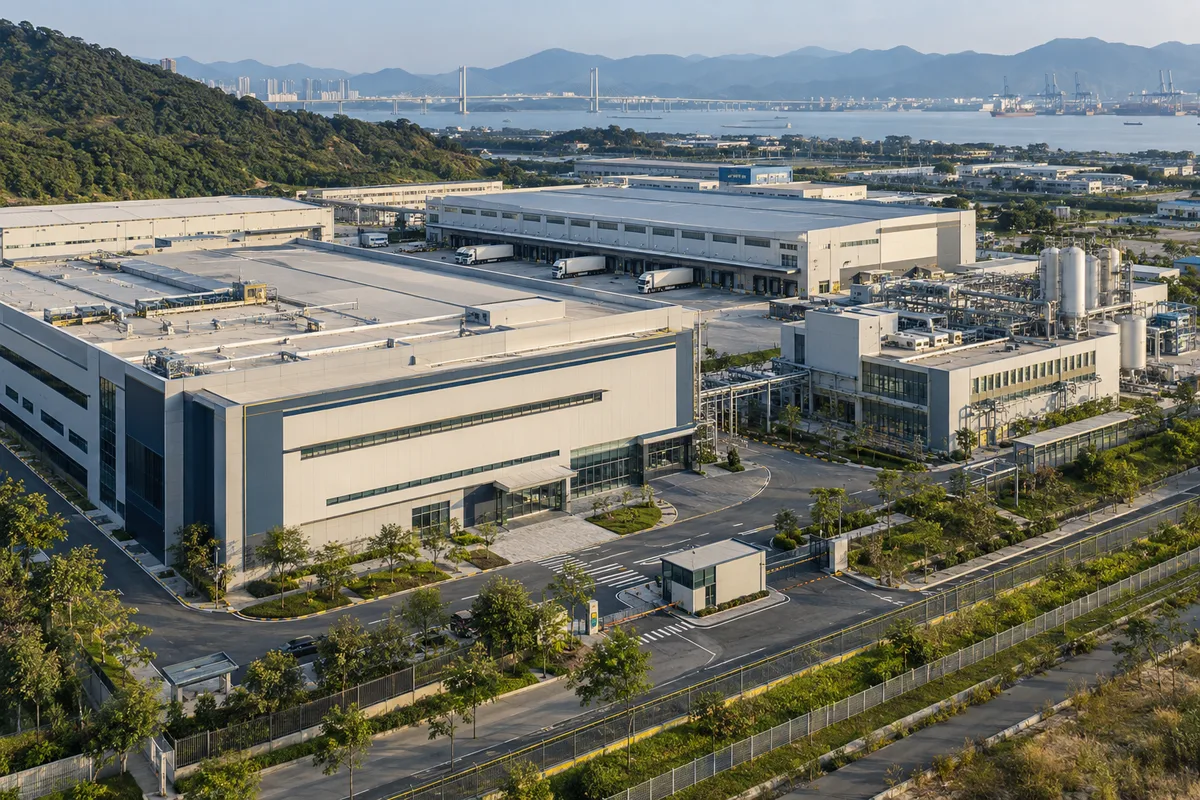
Clean environments, critical process equipment, single-point failure, power and water supply, replacement times and shared supply chains. Relevant information includes equipment schedules, layouts, maintenance records and continuity plans.
Production-line dependencies, just-in-time operations, critical parts, plant protection and recovery capability. Engineering reports, supplier concentration and incident history help explain the effect of production interruption.
Stored goods, storage configuration, fire compartments, automation, fire-water supply and surrounding flood exposure. Distinguish the information needs of general warehousing, specialist goods and cold-chain facilities.
Critical generating equipment, transformers, grid connections, maintenance cycles, utility dependencies and recovery arrangements. Link equipment information and actual locations to storm, flood and other exposures.
Power redundancy, cooling, protection, connectivity, equipment density and utility concentration. Information needs cover normal operation as well as emergency switching scenarios.
Production environments, precision equipment, temperature control, raw-material and finished-goods storage, quality processes and restart requirements. Distinguish production facilities from general commercial occupancies.
Construction, mixed occupancies, fire-system maintenance, visitor activity, operating dependencies and local hazard exposure. Record the building assets and actual business operations separately.
Consider food and beverage, general consumer goods, machinery, building materials and low-hazard commercial facilities. Broad “other” categories should not obscure actual occupancies or hidden concentrations.
Deliverables depend on the engagement, with an emphasis on verifiable sources, understandable differences and identifiable gaps.
Location and occupancy schedules, asset-value breakdowns, protection and maintenance records, available engineering reports and incident history.
Hazard types, surroundings, critical equipment, utilities and supply-chain connections, with sources, assumptions and limitations.
Organize information by location, sector and event, recording additions, amendments, gaps and material changes in verifiable versions.
Start with your market, industry and information needs.